A waste-to-energy plant is a power plant that uses waste as its primary fuel source to generate electricity.
This type of plant takes municipal solid waste or accumulated waste and utilizes it as an energy source for electricity generation. The main process in a waste-to-energy plant involves burning the waste to generate heat, which is then used to produce steam that drives turbines to generate electricity.
Typically, waste-to-energy plants produce electricity while also managing pollutants and disposing of residual waste to the minimum percentage possible, using technologies for detecting and controlling pollutants in gases, water, and fluids generated during the process.
Waste-to-energy plants are one of the ultimate solutions for waste management as they can generate electricity from waste and help reduce the accumulation of waste in landfills.
Waste-to-Energy Plant
A waste-to-energy plant is a power plant that uses waste as its primary fuel source to generate electricity.
This type of plant takes municipal solid waste or accumulated waste and utilizes it as an energy source for electricity generation. The main process in a waste-to-energy plant involves burning the waste to generate heat, which is then used to produce steam that drives turbines to generate electricity.
Typically, waste-to-energy plants produce electricity while also managing pollutants and disposing of residual waste to the minimum percentage possible, using technologies for detecting and controlling pollutants in gases, water, and fluids generated during the process.
Waste-to-energy plants are one of the ultimate solutions for waste management as they can generate electricity from waste and help reduce the accumulation of waste in landfills.
Waste-to-Energy Plant
A waste-to-energy plant is a power plant that uses waste as its primary fuel source to generate electricity.
This type of plant takes municipal solid waste or accumulated waste and utilizes it as an energy source for electricity generation. The main process in a waste-to-energy plant involves burning the waste to generate heat, which is then used to produce steam that drives turbines to generate electricity.
Typically, waste-to-energy plants produce electricity while also managing pollutants and disposing of residual waste to the minimum percentage possible, using technologies for detecting and controlling pollutants in gases, water, and fluids generated during the process.
Waste-to-energy plants are one of the ultimate solutions for waste management as they can generate electricity from waste and help reduce the accumulation of waste in landfills.
107
knowledge
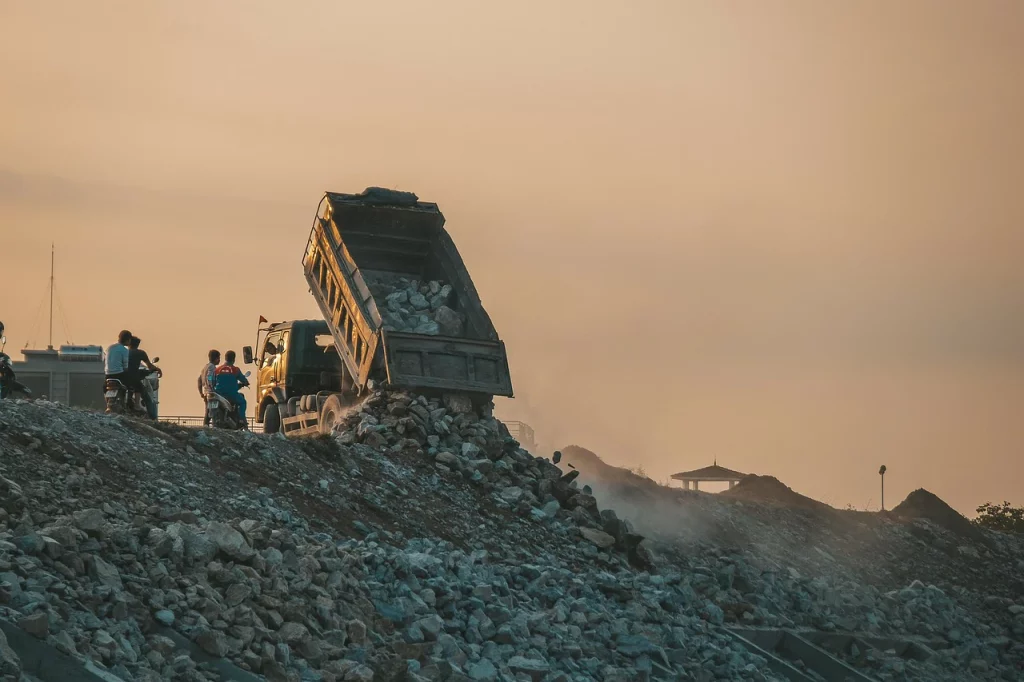
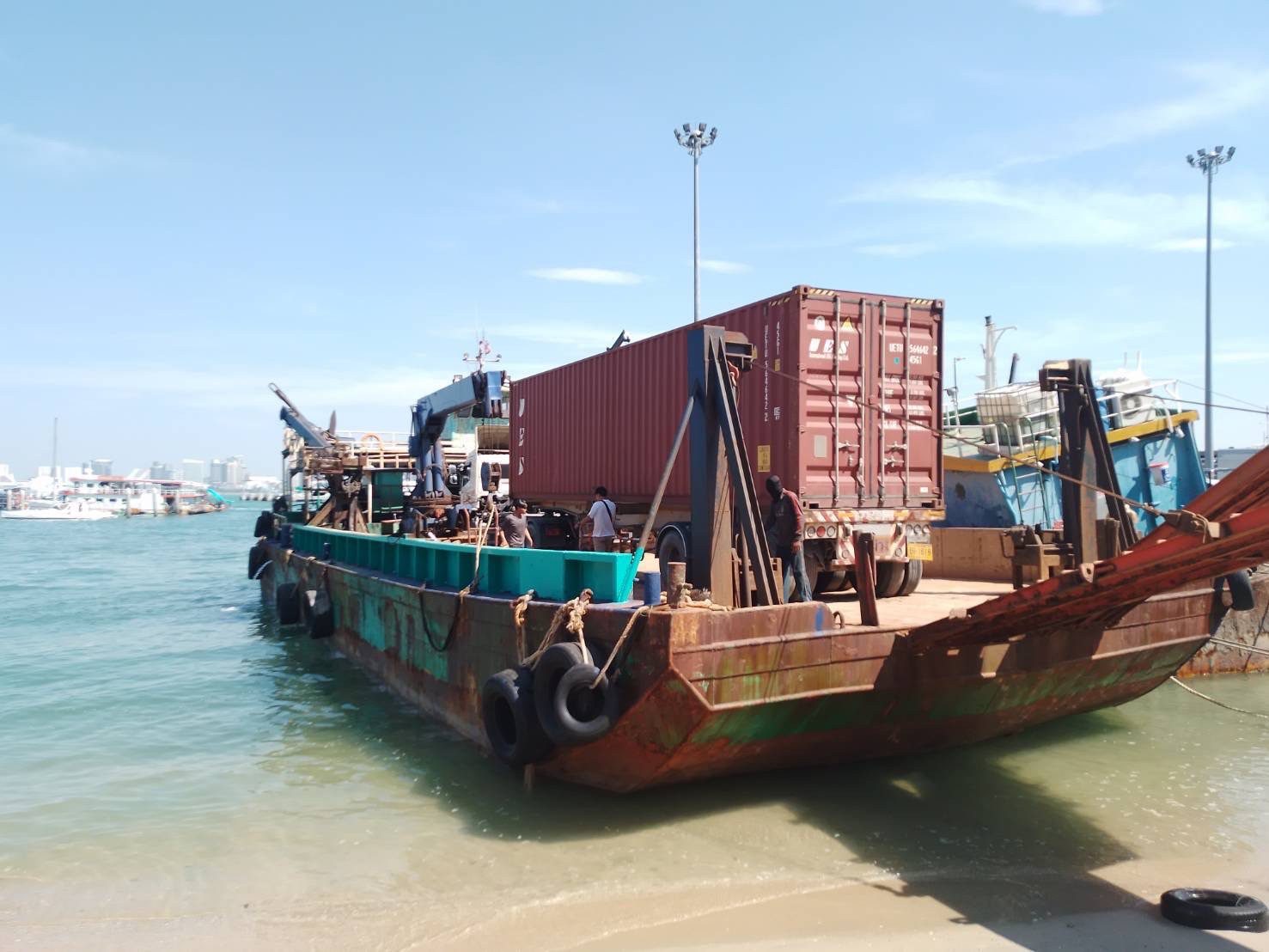
Koh Larn landfill: A long-standing problem and sustainable management approaches.
Posted on
100
knowledge
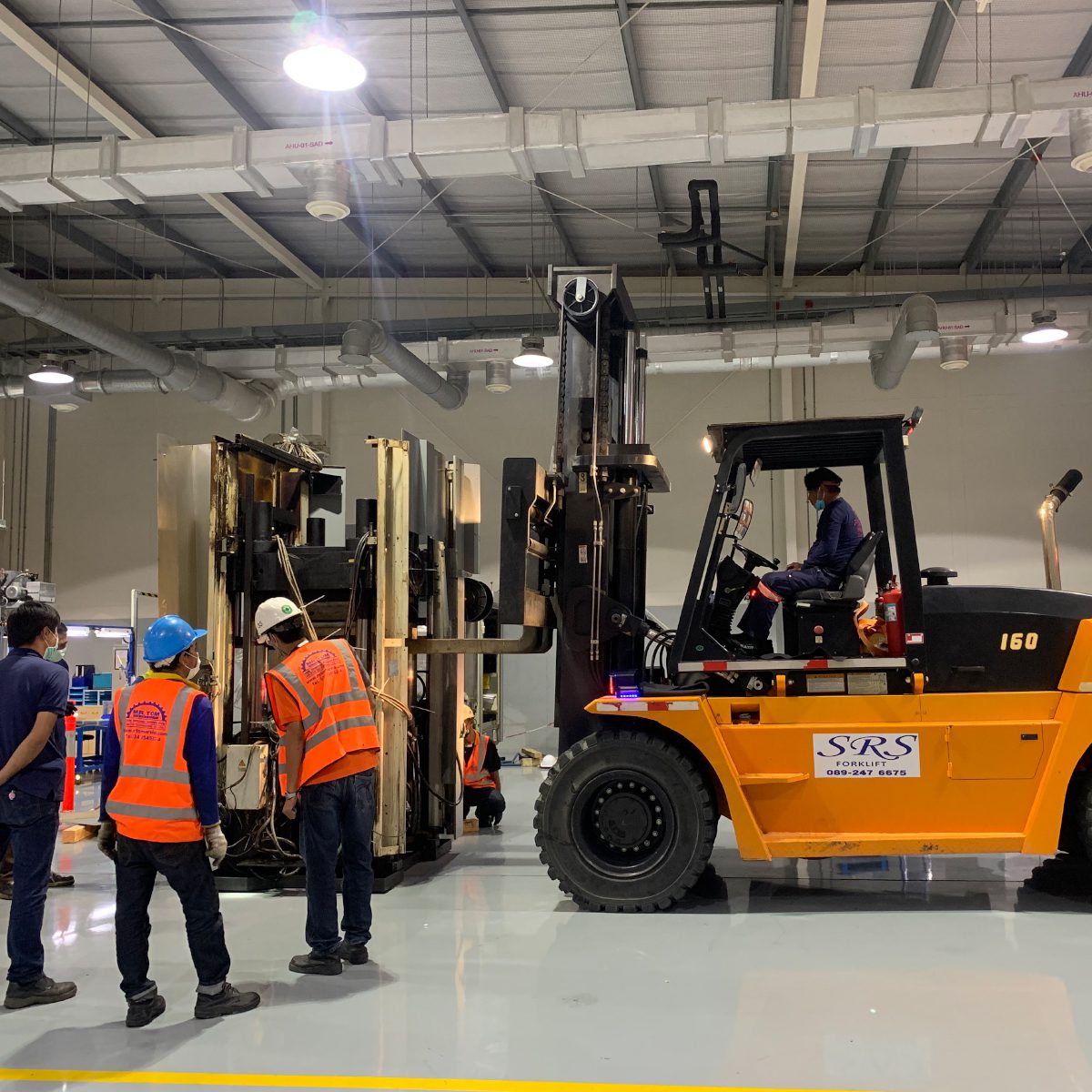
Nationwide machinery relocation service. We handle large-scale projects from lifting to installation.
Posted on
110
knowledge
Comprehensive machinery relocation service; big jobs handled in one place.
Posted on
116
knowledge
Professional machinery relocation
Posted on
104
knowledge
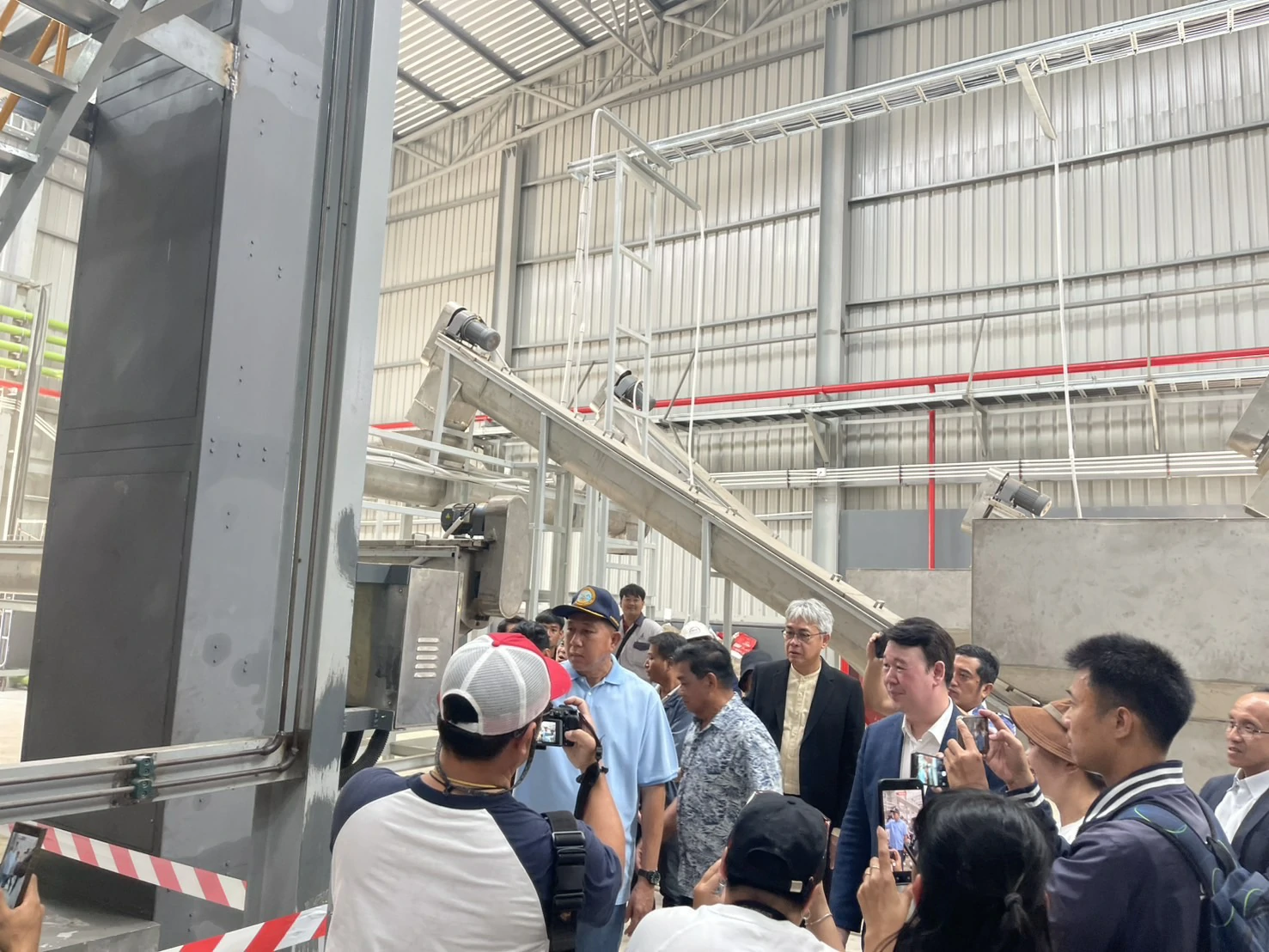
Koh Larn Incineration Plant: A Pilot Waste Disposal Project